Ozempic Blindness: Understanding The Risks And Setting The Record Straight - Remember, your health is a priority, and staying informed is the first step toward making the best decisions for your well-being. If you experience vision changes while using Ozempic, it is crucial to consult your doctor. They can evaluate your symptoms, review your medical history, and determine whether adjustments to your treatment plan are necessary.
Remember, your health is a priority, and staying informed is the first step toward making the best decisions for your well-being.
There is no conclusive evidence suggesting that Ozempic causes permanent vision loss. Most reported vision changes are temporary and resolve once the underlying cause is addressed.
Discuss these alternatives with your healthcare provider to determine the best course of action for your specific situation.
This article aims to provide a thorough understanding of Ozempic blindness, exploring scientific evidence, expert opinions, and recommendations to ensure that you have all the necessary information to navigate this topic confidently. Whether you're a patient, caregiver, or healthcare provider, this guide will equip you with the knowledge you need.
Current scientific studies do not establish a direct causal relationship between Ozempic and blindness. However, ongoing research aims to investigate potential links between GLP-1 receptor agonists and ocular health. For example, a 2025 study published in the Journal of Clinical Endocrinology & Metabolism examined the effects of semaglutide on retinal function, concluding that further investigation is necessary.
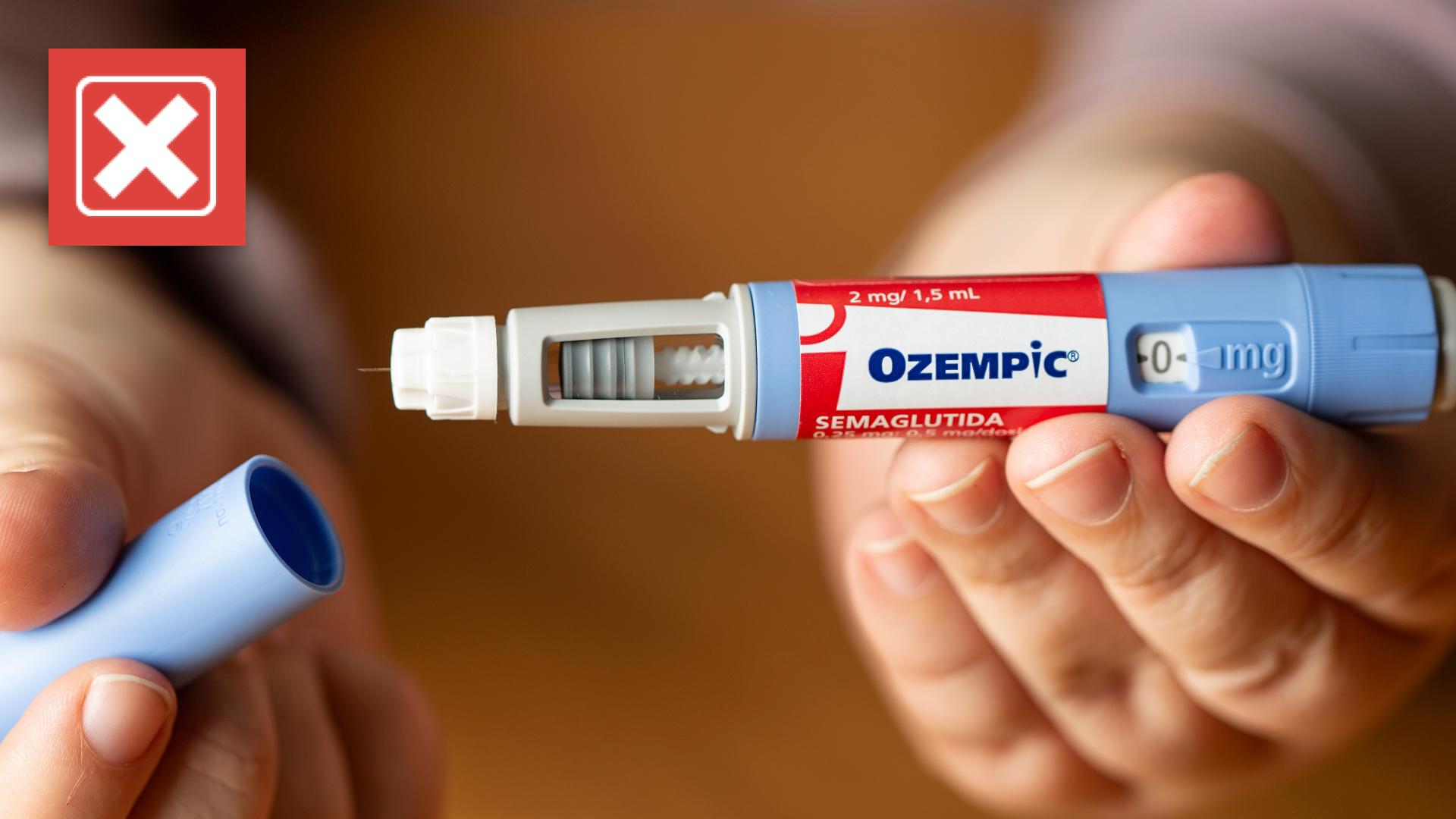
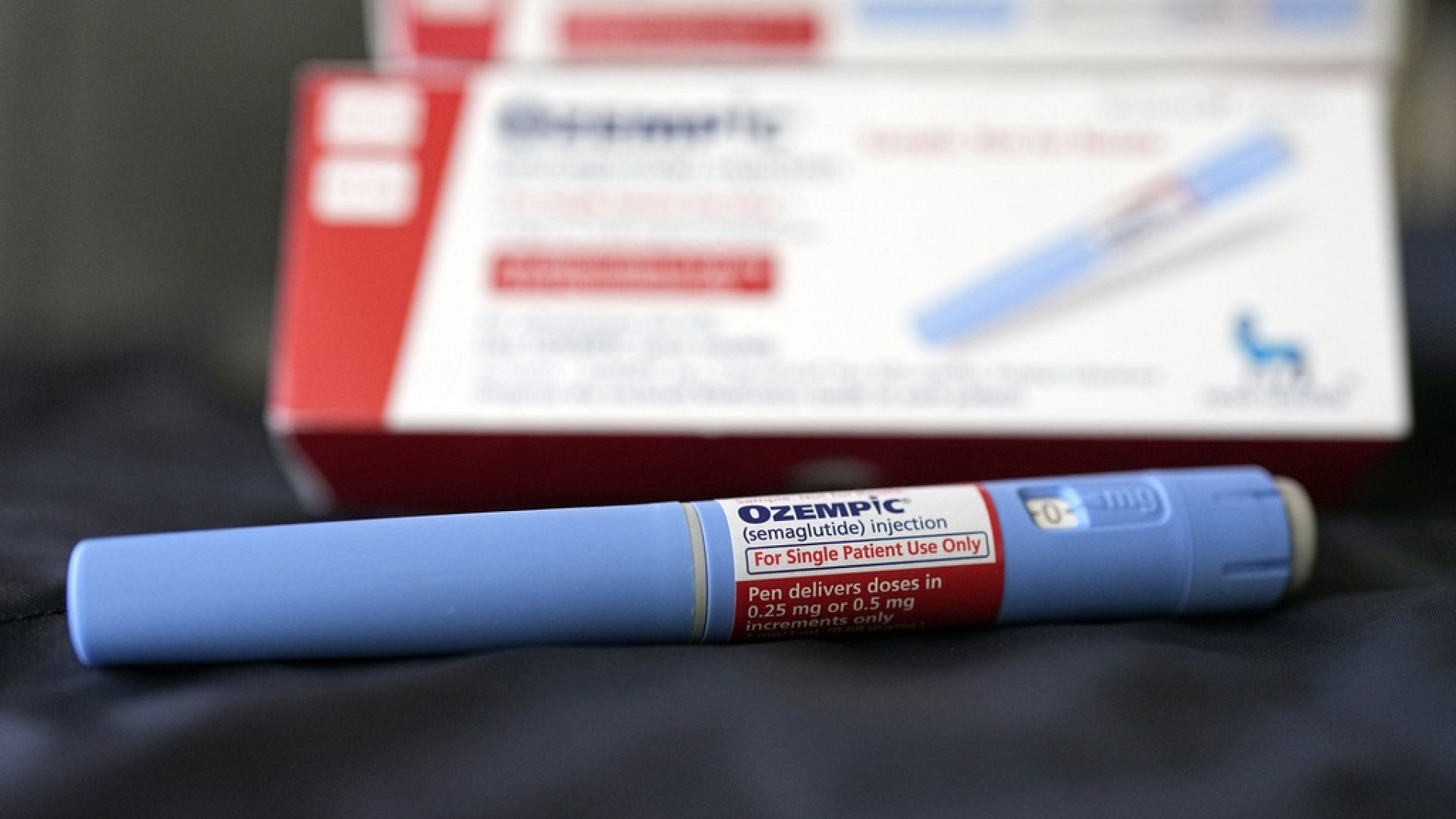
Ozempic is a prescription medication used primarily to manage type 2 diabetes. It belongs to a class of drugs called GLP-1 receptor agonists, which work by mimicking the action of the hormone GLP-1 (glucagon-like peptide-1). This hormone helps regulate blood sugar levels by increasing insulin production and reducing the amount of glucose released by the liver.
If you are concerned about Ozempic's potential side effects, there are alternative medications available. Some options include:
While Ozempic is effective, it is not without side effects. Common side effects include nausea, vomiting, diarrhea, and constipation. However, some patients have reported more serious concerns, such as pancreatitis, gallbladder issues, and, in rare cases, vision problems.
Several factors could contribute to vision issues while using Ozempic:
Ozempic works by stimulating the pancreas to release insulin when blood sugar levels are high, slowing down digestion, and reducing appetite. These mechanisms not only help control blood sugar levels but also contribute to weight loss, making it an attractive option for individuals seeking both diabetes management and weight reduction.
By taking these steps, you can ensure the safe and effective use of Ozempic.
Ozempic is generally considered safe for long-term use when prescribed and monitored by a healthcare professional. However, regular check-ups and adherence to dosage guidelines are essential to minimize risks.